Try searching your name on Google. What do you find? If the answer is “little” or “nothing relevant,” you already know you have a problem. If you previously thought personal branding was just digital narcissism, you now realize it is actually what separates those who wait for clients to arrive by chance from those who build a system where their professional reputation attracts clients, even when they are offline.
Entrepreneurs and freelancers, in particular, have a lot to lose or gain from personal branding because they themselves are the product, the service, and the promise. In 2026, an era where anyone can open a VAT number and a LinkedIn profile in an afternoon, standing out is no longer optional, it is necessary.
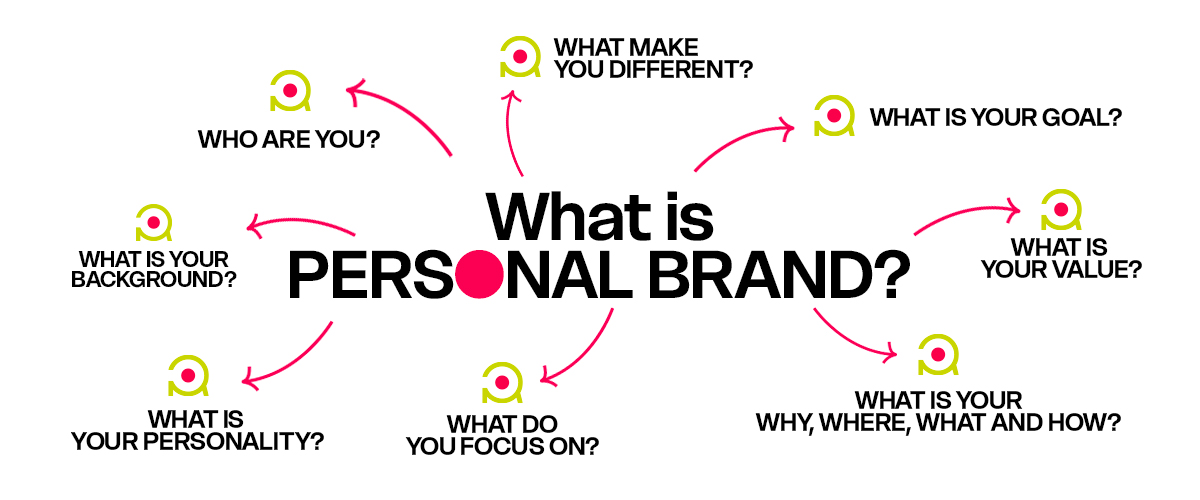
Why invest in your personal branding?
Think about the last time you chose a professional. Did you compare abstract CVs, or did you look for someone you had already heard good things about, who had written that article that struck you, or who seemed to truly understand your problem?
A strong personal brand reduces decision friction. It attracts clients who are already inclined to choose you, simplifies negotiations, and legitimizes your pricing strategy. It is not magic; it is trust built over time through content, consistency, and strategic visibility. Those who invest in professional personal branding tend to acquire better clients, are perceived as industry experts, and generate partnership opportunities that otherwise would not exist.
Define goals and target audience
Before choosing which channel to publish on or what profile picture to use, you must answer two fundamental questions: what do you want to achieve and who are you addressing?
The goals of a personal brand can vary significantly: acquiring new clients, strengthening authority in a specific niche, accessing speaking opportunities, attracting top talent to your team, or building an audience for a future digital product. Clarity on goals determines everything else, including tone of voice, platforms, frequency, and content format.
When it comes to the target audience, your public is not “anyone who might be interested.” Instead, it is a specific person with a precise problem looking for a solution. The more your communication speaks directly to that profile, the more effective it will be. Define their age, industry, education level, occupation, practical needs, and aspirations: every piece of content marketing you produce must resonate with this person.
Discover your unique value proposition
The market is crowded, but there is only one you. The right question is not “What am I good at?” but rather “What can I do that others don’t do, or don’t do the same way?”
Start with an honest brand audit: list your technical skills, the experiences that shaped you, and the values that guide your work. Then, ask for feedback from colleagues, clients, and collaborators; you will often find that others see your value proposition more clearly than you do. The intersection of what you do best, what the market needs, and what truly sets you apart from the competition is the core of your strategic positioning.
Visual identity and tone of voice
Visual identity is not aesthetic vanity; it does not just need to be “beautiful,” but coherent. A professional LinkedIn profile photo, a website with a defined color palette, and a recognizable email signature: every element communicates something.
Equally important is the tone of voice: the way you write, speak, and reply to comments. It must be authentic, no one can wear a mask for long, and it must be consistent across all channels. An entrepreneur who is witty and direct on social media but cold and bureaucratic in quotes sends a confusing message. Coherence between visual and linguistic communication builds recognition and trust.
Your Personal Storytelling
Data informs, but stories convince. Personal storytelling is the most powerful tool to create an emotional connection with your audience, and it does not require exposing your private life.
Share why you chose this professional path. Talk about the mistakes that taught you more than your successes. Share how you solve your clients’ problems with concrete examples. A professional who knows how to tell their story is perceived as more human, more reliable, and paradoxically, more competent. Gary Vaynerchuk built a communication empire starting from raw videos in his family’s wine cellar: the content was imperfect, but the story was authentic.

Chiara Voliani and a Gem of Personal Branding
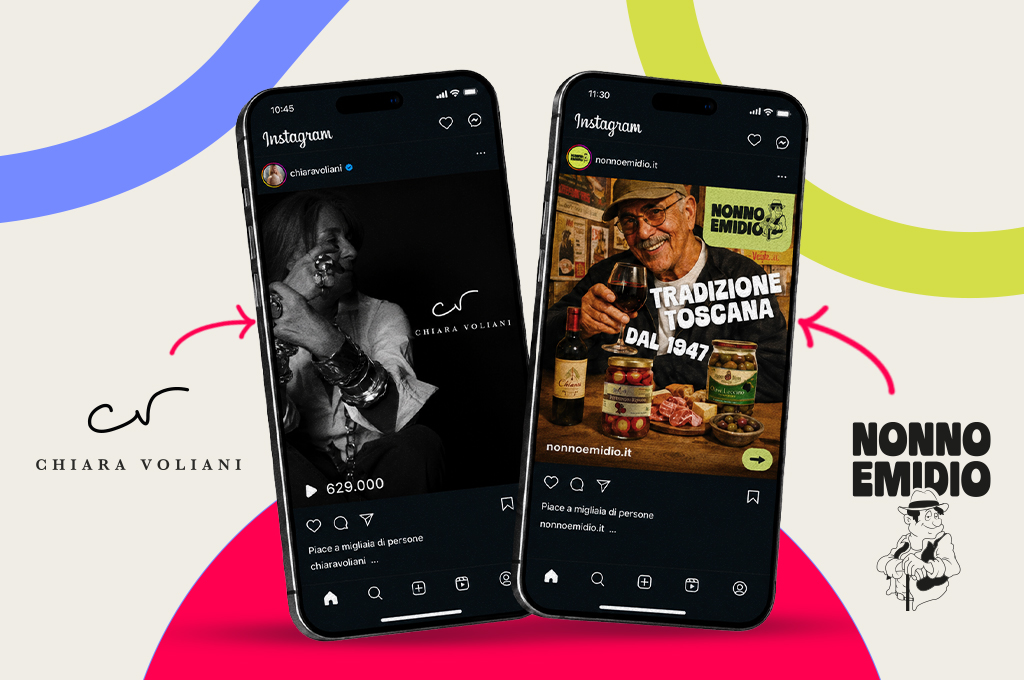
Sometimes the best way to explain how personal branding works is to use real-world case studies. Chiara Voliani is a designer and artisan who creates sculpture jewelry, showcasing them worldwide through exclusive exhibitions, private events, and selected vernissages.
When she started working with us in 2019, the project was still in its testing phase. Together, we built her digital identity starting from the very essence of her personality and business goals:
-
Logo and claim: We chose her signature. Her initials became the pictogram she now engraves on her sculptures.
-
Color palette: Black and white. Minimal, elegant, and bold—exactly like her.
-
Tone of voice and social presence: Only Chiara Voliani as the sole testimonial of her creations. Zero filters, zero fake personas or paid influencers.
-
Storytelling: A column of stories about excellence, women’s journeys, and unique projects, a content ecosystem that informed and intrigued without ever directly pitching a sale.
Today, Chiara Voliani’s Instagram profile boasts over 260,000 followers, and her newsletter reached over 2,000 subscribers in a single year without any paid advertising, while her jewelry is requested and distributed throughout Europe.
We crafted her personal branding just like one of her sculpted jewels, with care, vision, and a recognizable identity, forging her market positioning over time. Why did it work? Among other reasons, because we ensured her image was completely aligned with her values and personality.
Online presence: website and social networks
A professional website must be clear and easy to navigate. It needs to immediately state who you are, what you do, who you do it for, and how to contact you. An effective homepage, an “about me” page that tells your story, and a section dedicated to case studies or testimonials are often all it takes. Sometimes, a one-page website is more than enough. Your website is the only platform you fully own and control, unlike social media networks that can alter their algorithm tomorrow morning (and they will, and it won’t be to your advantage).
When it comes to social media, remember the golden rule: it is better to manage one channel exceptionally well than five poorly. LinkedIn marketing is essential for the B2B sector because it is where professionals connect and build business relationships. Instagram works best for visual arts or those wanting to reach a broader audience. A podcast or a YouTube channel can position you as a benchmark in your industry. A quick tip? Choose based on where your target audience spends time, not where you feel most comfortable.
Networking and Offline Relationships
Digital networking is powerful, but the strongest relationships are still born from direct contact. Participating in industry events, conferences, workshops, and local professional groups helps put a face and a voice to what you build online.
However, do not think it is enough to pass out business cards like flyers. In professional networking, you must listen, contribute to conversations, and offer value before asking for anything in return. The professional who asks the right question during a Q&A session at a convention is remembered far more than the one handing out brochures. Offline relationships feed your professional reputation and generate organic referrals.
Content Strategy and Reputation Management
A content strategy for a personal brand works when it stems from a simple principle: what is your audience asking, and which of these questions can you answer better than anyone else? Articles, videos, newsletters, or podcast episodes, the format is secondary to the substance.
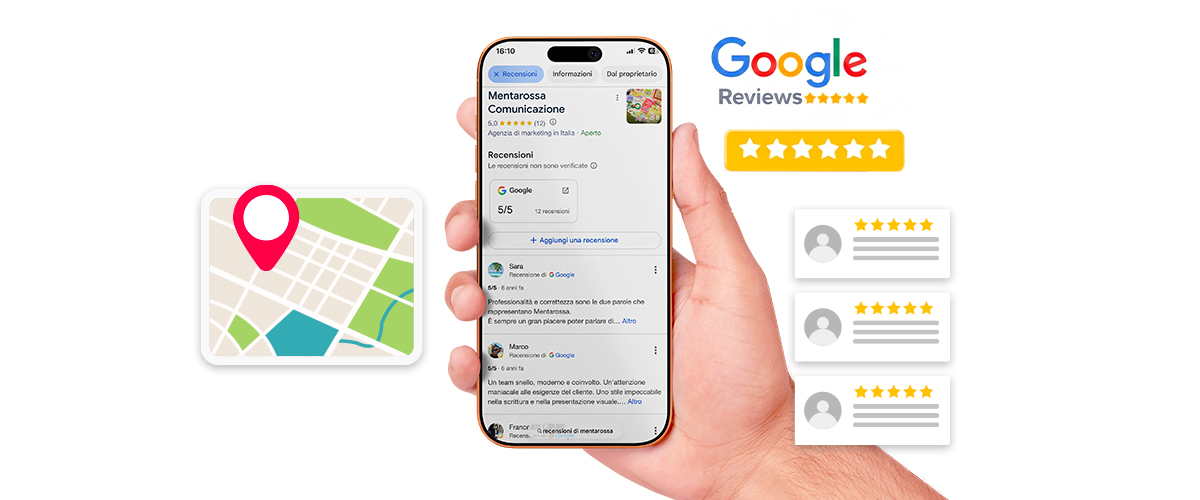
Finally, remember that an online reputation is built slowly but can be damaged quickly. Keep track of reviews, comments, and mentions of your name across major channels. Always respond, to positive feedback with gratitude, and to negative reviews with calm and professionalism. A professional who handles public criticism gracefully demonstrates maturity and reliability far more than one who only receives compliments.
Using reputation monitoring tools like Google Alerts, Mention, or a simple periodic search of your own name is enough to maintain an updated overview of your digital footprint.
Building a personal brand for entrepreneurs and freelancers is a long-term investment in your professional identity that requires continuous nurturing.
If you want to understand where to start and build a tailored personal branding plan for your profile and goals, contact us today. Let’s analyze your current situation together and map out a concrete strategy.
share